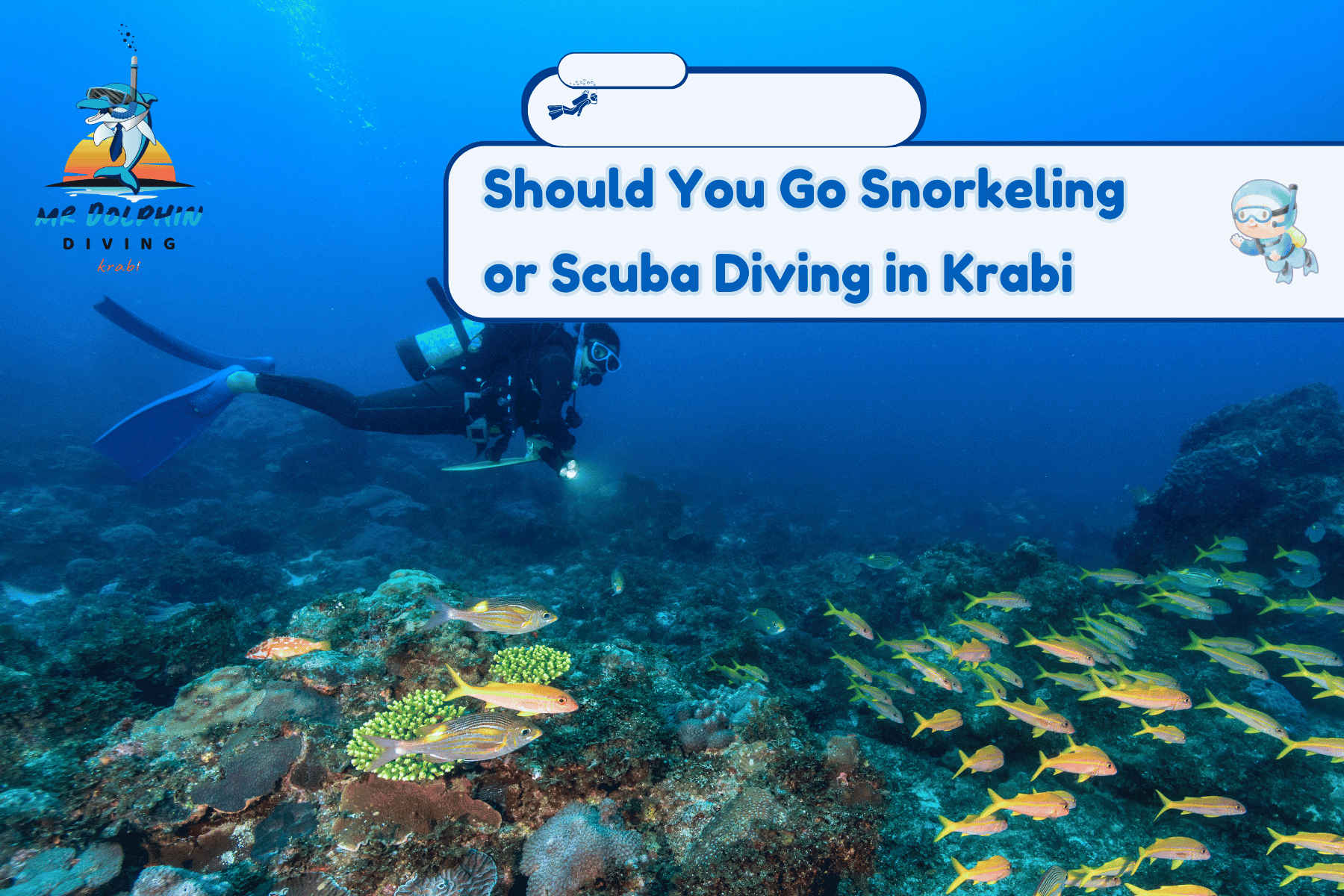
Krabi is a stunning coastal province in southern Thailand. Known for its towering limestone cliffs and pristine beaches, it’s also home to some of the most beautiful dive spots in Southeast Asia. The region offers an incredible mix of shallow coral gardens, dramatic underwater walls, and vibrant marine life. Its warm, clear waters attract divers from all over the world year-round.
But when exactly is the best time to go scuba diving in Krabi? While diving is possible year-round, certain months offer better conditions, marine life encounters, and overall experiences. In this guide, we’ll help you understand the Thailand diving season and the ideal time to plan your underwater adventure.
What Divers Need to Know about Krabi’s Climate
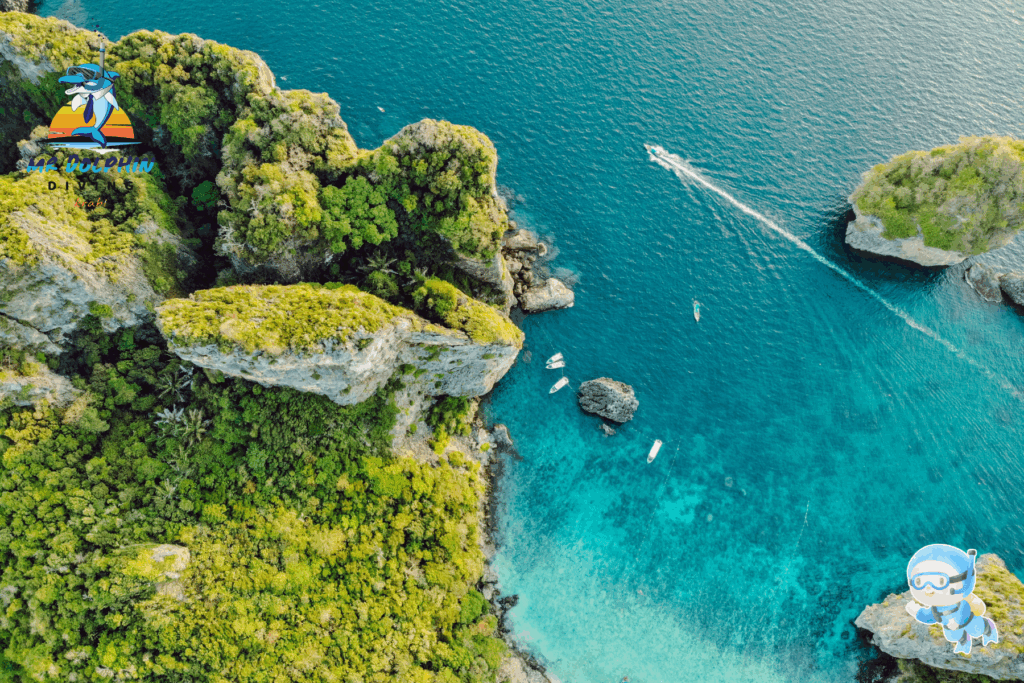
Understanding Krabi’s tropical climate is key to picking the right time for diving.
Krabi experiences two main seasons:
- Dry Season (November to April)
- Rainy Season (May to October)
During the dry season, Krabi gets lots of sunshine, warm temperatures, and calm seas. The water is clearer, which means better visibility for spotting fish, corals, and other underwater life. It’s also more comfortable above the surface—with gentle breezes and blue skies.
In contrast, the rainy season brings heavier rainfall and stormy weather. While it doesn’t rain all day every day, the sea conditions can get rough. Visibility often drops. This is due to stirred-up sediments and increased plankton. Boat trips can be cancelled if the weather is unsafe.
If you want a worry-free diving experience, it’s smart to align your trip with the dry season. This aligns with the best time of year to dive in Thailand, not just in Krabi but in many top dive destinations across the country.
The Best Season for Scuba Diving in Krabi: November to April
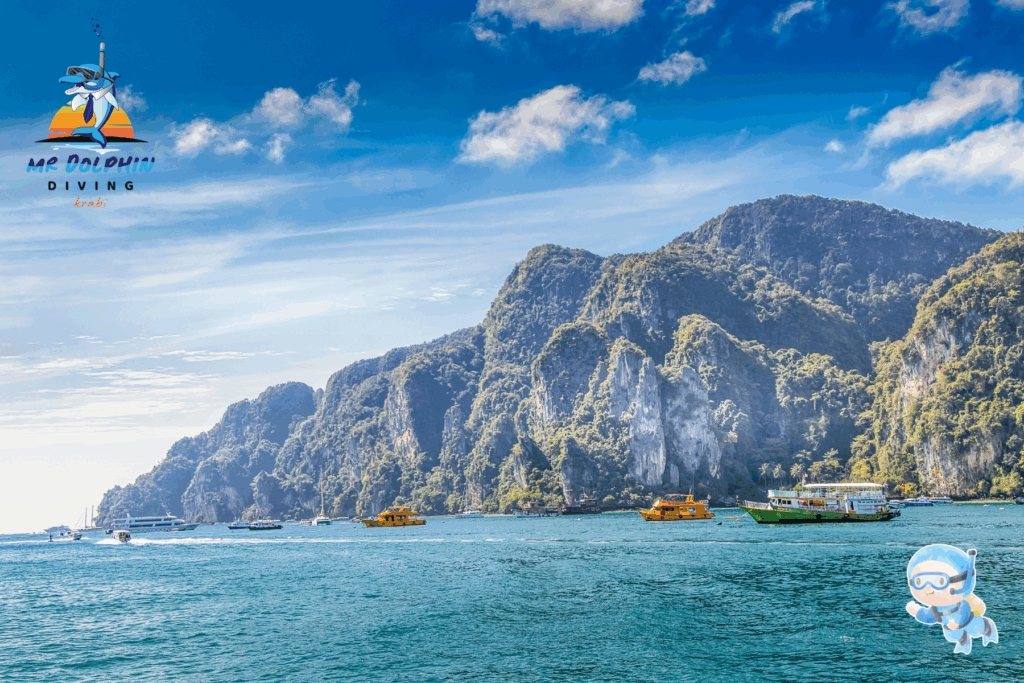
The months between November and April are widely considered the best time to scuba dive in Thailand. This is when Krabi offers peak diving conditions.
Here’s what makes it special:
- Calm seas: Perfect for boat travel and surface intervals
- Excellent visibility: 15 meters
- Warm water temperatures: Averaging 28–30°C
- Abundant marine life: Great chance to see reef fish, turtles, and even blacktip reef sharks
It’s worth noting that this period is also the high tourist season. That means:
- Dive centers and boats are fully operational
- More people at dive sites
- Higher prices for accommodation and activities
Even so, it’s worth it for the overall experience. If you want calm water, great visibility, and vibrant underwater life, this is the time to go.
The Phi Phi diving season also peaks during these months, with clear conditions around famous sites like Bida Nok, Palong Wall, and Shark Point. These spots offer a mix of dramatic underwater landscapes, colorful coral, and high chances of spotting sharks and turtles.
What About the Rainy Season? (May to October)
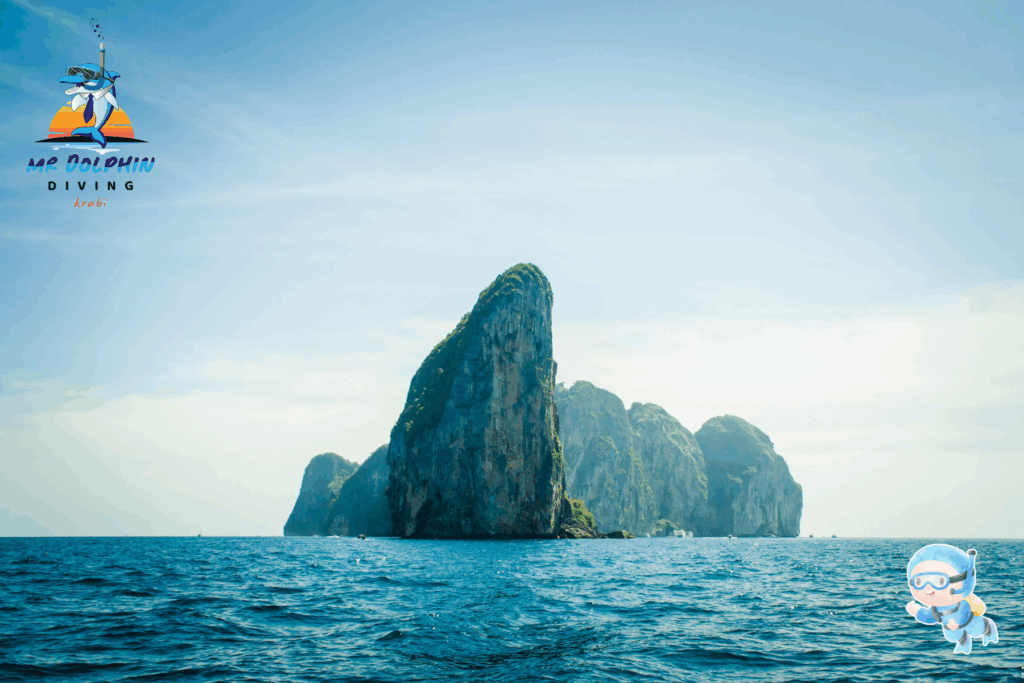
The Krabi diving season doesn’t shut down completely during the rainy months. While some dive operators reduce operations or close temporarily, many still run trips when the weather permits.
So, is it worth diving in the off-season? Yes—if you’re flexible and have realistic expectations.
Pros of Rainy Season:
- Fewer tourists: Enjoy quieter dive boats and more personalized experiences
- Cheaper prices: Hotels tend to offer discounts
- Lush green scenery: Above the water, the rain brings life to Krabi’s landscapes
Cons of Rainy Season:
- Rougher sea conditions: You might experience choppy water and stronger currents
- Reduced visibility: Often limited to 5–10 meters
- Potential cancellations: Especially on days with heavy rain or storms
Diving in Thailand in October can be hit-or-miss, but it’s often better than the peak monsoon months of August and September. By diving in Thailand in November, conditions typically start improving quickly, making it a good shoulder season option for budget-conscious travelers.
Month-by-Month Breakdown: What to Expect
Here’s a more detailed look at each month to help you pick the right time based on your goals.
-
November
November marks the start of Krabi’s dry season. After months of heavy rain, the skies begin to clear and the sea gradually calms. Water visibility improves day by day. This is when coral reefs start to recover and flourish again, making it a great time to explore vibrant dive sites like Bida Nok.
Dive operators return to full operation, but the crowds haven’t fully arrived yet. You’ll find better availability for courses, boat trips, and accommodation. The weather is warm but not too hot, making both surface intervals and land-based exploring pleasant. Diving in Thailand in November is perfect for early-season adventurers who want great conditions without the peak-season rush.
-
December
This is when the dive season kicks into high gear. December sees a sharp increase in visitors—especially around Christmas and New Year’s. The conditions are near perfect. Seas are calm, skies are clear, and marine life is thriving.
Diving in Thailand in December offers some of the year’s best visibility. You can expect calm boat rides, excellent snorkeling conditions, and the chance to see everything from schooling snappers to reef sharks. It’s also a popular time for dive courses, so many shops fill up fast. If you’re planning to travel in December, make sure to book your dives and accommodation in advance. It’s a magical time underwater—but it’s also one of the busiest.
-
January
January is peak season, and for good reason. Conditions are incredibly stable—barely any rain, crystal-clear water, and plenty of marine activity. If you’re a new diver, this is a fantastic time to start. Everything is calm and predictable, which makes training more enjoyable.
For certified divers, this is the time to hop around Krabi’s top dive sites. Best diving in Thailand January is often associated with this region, thanks to its consistent visibility and abundance of life. Dive trips to Ao Nang Islands, Phi Phi Islands, or even day trips to further spots like Shark Point are all possible. Expect warm air, warm water, and warm welcomes from dive crews across Krabi. It’s prime time—don’t miss it.
-
February
February continues the trend of top-tier diving conditions. The air is slightly cooler compared to March or April, which makes this month a favorite for people who prefer a milder tropical climate.
Underwater, you’ll find excellent visibility and active marine life. You’re likely to spot turtles, cuttlefish, barracuda, and an array of soft coral. It’s also a great time to pursue your PADI Scuba Diver Certification, especially if you want calm seas and ideal visibility while learning. Diving in Thailand in February is especially good for underwater photographers who want clean, well-lit shots without cloudiness in the water. It’s a great time for liveaboards or multi-day dive safaris around the Andaman coast.
-
March – April
Things start to heat up during March and April. These are the hottest months of the year in Krabi, both on land and underwater. The sea is at its warmest, which some divers love and others may find a bit intense without a thin wetsuit or rash guard.
But here’s the exciting part—this is the best time to see whale sharks in Thailand. Manta rays are also possible during this time. March and April are considered the best time for scuba diving in Thailand for thrill-seekers who want rare encounters.
-
May
May signals the beginning of the rainy season. But it doesn’t arrive overnight. In fact, the early part of May can still offer several days—or even weeks—of excellent diving.
Rain typically comes in short bursts, often in the late afternoon or evening. Mornings and early afternoons are often still clear. This means diving is still very possible, especially with flexible scheduling. Dive shops remain open but may scale back operations slightly. If you’re an experienced diver who doesn’t mind a bit of unpredictability, May offers a great balance: decent conditions, fewer tourists, and lower prices.
-
June – September
These four months make up the heart of Krabi’s monsoon season. Rainfall increases significantly, and boat trips become more dependent on the daily forecast.
Diving in Thailand during this period is considered off-peak for a reason. Visibility drops, strong currents are more common, and sea conditions can turn rough quickly. Some dive centers may limit their offerings or close temporarily. That said, it’s not impossible to dive. There are occasional pockets of good weather, and some sheltered dive sites may still be accessible. If you’re flexible, adventurous, and traveling on a budget, the rainy season might still offer a few great dive days. But for most people, this isn’t the ideal time.
-
October
October sits in the transition zone between the wet and dry seasons. Rain can still be heavy, but there’s a noticeable shift in the weather. The skies start to clear more often, and dive operators begin preparing for the upcoming high season. Visibility is still hit-or-miss. Currents may remain strong. But if you catch a good week, diving in Thailand in October can surprise you with peaceful dive sites and unique marine encounters.
It’s also a great time for travelers who want to beat the crowds and don’t mind taking a bit of a chance. Hotel and dive trip prices are still on the lower side, and you’ll often have dive sites almost entirely to yourself.
The best time to dive in Thailand and enjoy Krabi’s underwater beauty is from November to April. These months give you the most stable sea conditions, best visibility, and the highest chance of seeing fascinating marine life. That said, the Thailand diving season is flexible. The rainy months from May to October can still offer amazing dives, especially for those seeking fewer crowds and lower prices.
For those planning a diving trip to Krabi, Mr. Dolphin Diving offers a range of services to boost your underwater impressions. Located in Ao Nang, Krabi, this PADI® Certified Diving Center provides courses from Discover Scuba Diving (DSD) to Specialty and Professional Divemaster courses. With over 25 years in the dive industry, including seven years in Krabi, lead instructor Gianluca (Luca) ensures a safe and memorable diving adventure. 
Mr. Dolphin Diving caters to all levels, offfering fun dives around local islands and the Phi Phi Islands, as well as private snorkeling charters. Our team is dedicated to providing personalized and professional service. To learn more or to book your next diving adventure, contact us today!